
Decoding "Bright Indirect Light" Once and For All
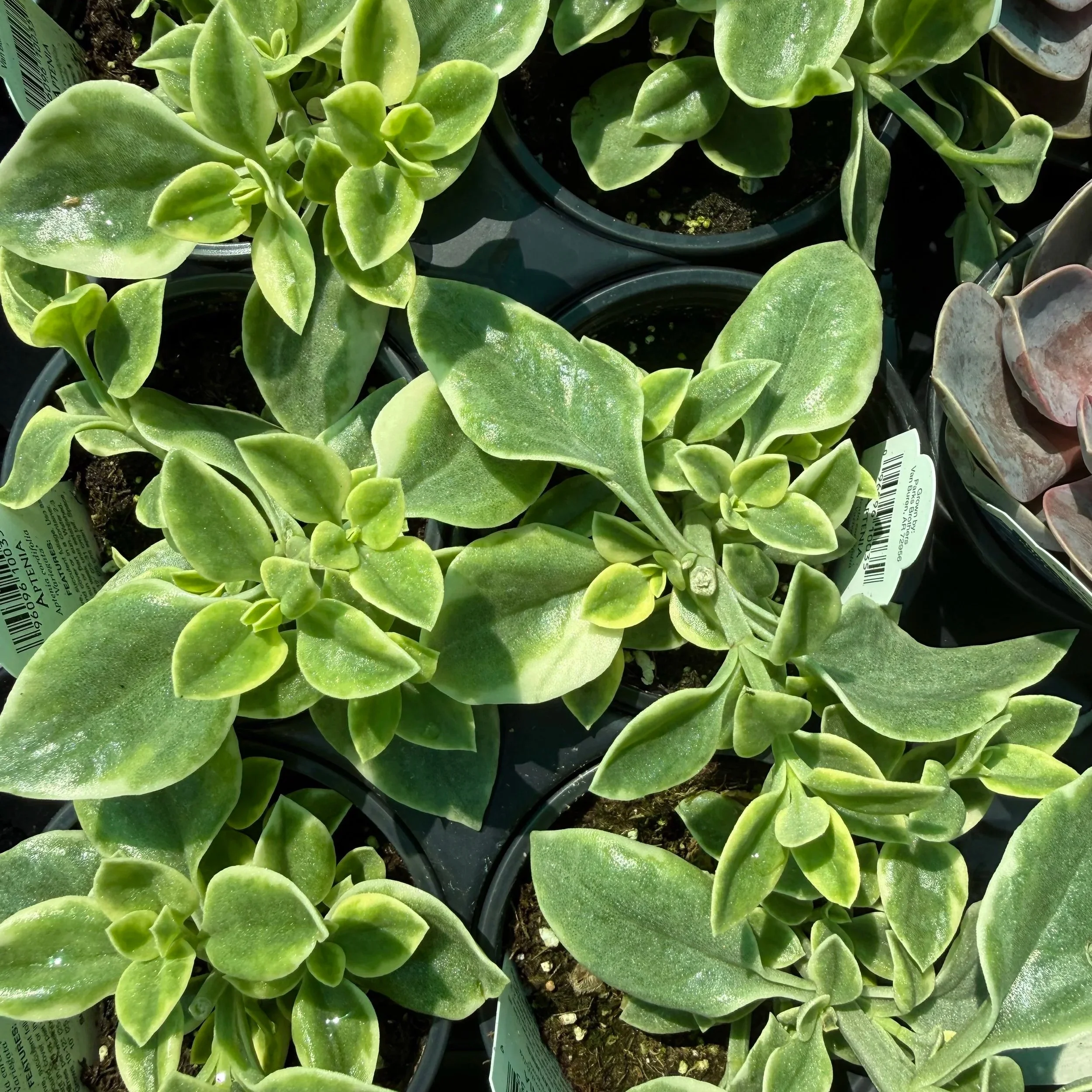
If you own houseplants, you've probably read these three words more times than you can count:
Bright indirect light.
It's on plant tags. It's in care guides. It's the answer to seemingly every question about where to put a houseplant.
But what does it actually mean?
The simplest explanation is this:
Bright indirect light is a place that feels bright during the day without strong sunlight shining directly onto the plant for hours.
Think About the View From the Plant
Instead of looking at the room, look at the window.
Stand where your plant will live and ask: What can the plant “see”?
If it has a wide, unobstructed view of a bright window or the sky beyond it, you're probably in good shape.
If it's tucked into a dark corner six feet from that same window, the room might look bright to you—but your plant experiences something very different.
Light intensity drops surprisingly quickly as you move away from a window.
Direct vs. Indirect Light
Here's an easy test.
Put your hand between the window and the surface where your plant sits.
If the sun creates a sharp, clearly defined shadow, you're probably getting direct light.
If there's plenty of illumination but your hand creates a soft, fuzzy shadow, that's a good indication of bright indirect light.
If you can barely see a shadow at all, you're probably dealing with lower light.
And remember: this can change throughout the day.
Your Window Direction Matters
In the Northern Hemisphere, window direction gives you a useful starting point.
North-facing windows generally provide softer indirect light.
East-facing windows receive gentler morning sun and can be fantastic for many houseplants.
South-facing windows usually provide the strongest and longest light exposure. Plants that prefer indirect light may need to sit farther back or behind a sheer curtain.
West-facing windows can receive intense afternoon sun, especially during warmer months.
But direction isn't everything. Trees, buildings, porches, blinds, window tint, and even the season can dramatically change the amount of light reaching your plants.
“Indirect” Doesn't Mean “Far From a Window”
This might be the biggest misconception.
People often hear “no direct sunlight” and move their plant across the room.
But many popular houseplants still want a lot of light—they just don't necessarily want hours of intense sun hitting their leaves.
A pothos sitting three feet from a large bright window may thrive.
The same pothos sitting twelve feet away in an attractive corner may technically be visible in daylight, but that doesn't mean it's receiving enough useful light.
Our eyes are remarkably good at adjusting to dim rooms. Plants aren't.
Watch What Your Plant Tells You
Plant care labels are starting points, not laws.
A plant that isn't receiving enough light may grow slowly, stretch toward the window, develop smaller leaves, or lose some of its coloration or variegation.
Too much intense light can produce pale areas, scorched patches, or crispy leaves.
So experiment.
Move the plant closer to the window. Pull it back. Add a sheer curtain. Rotate it occasionally.
Then watch what happens.
The Simple Rule
Forget trying to calculate the perfect number of feet from a window.
For most plants labeled “bright indirect light,” start with:
A bright location near a window where the plant gets plenty of daylight without spending hours baking in intense direct sun.
Then let the plant tell you the rest.
Because just like watering, good plant care isn't about following a rigid rule.
It's about understanding what the rule was trying to tell you in the first place.